

10 July 2018
While the UK is not known for its hot and dry summers, in recent weeks we have seen temperatures across the country reaching upwards of 30°C.
This is great for those sunning themselves on a beach but this sort of temperature is less enjoyable for those stuck at work, particularly when dress codes dictate the wearing of suits for men and formal attire for women.
You may well be wondering when is it too hot to work?
In fact there is no law that determines when it is too hot to work, although there is an onus on employers to ensure the temperature is deemed reasonable in workplaces.
The Health and Safety Executive (HSE) says that “during working hours the temperature in all workplaces inside buildings shall be reasonable.”
Interestingly there is a specified minimum temperature which is 16°C or 13°C if much of the work involves rigorous physical effort.
However, it is generally thought that the acceptable area of comfort for most types of work is between 16°C to 24°C.
Employers should be cautious of high temperatures having adverse effects on their employees’ health and consider how uncomfortable heat can reduce morale and productivity as well as increase absenteeism.
Before anyone gets hot under the collar about work conditions, Gill Brown Head of Employment Law at Phillips has some useful advice for employers.
Happy employees tend to be more productive so talk to your staff about office temperatures and find out how they are coping.
Try and make your office comfortable to work in and consider bringing in fans, air conditioning and water coolers if necessary.
Where appropriate consider relaxing the dress code to allow your staff to be more comfortable.
However, if turning up on shorts and flip flops is not appropriate ensure you have a clear dress code and make sure all staff are aware of it.
Buy your staff an ice cream to keep them cool and to boost morale.
Consider allowing staff to use flexi-time, work from home or take annual leave where possible.
Communicate what is not acceptable behaviour with regards to making formal requests for holiday leave and reporting sickness.
Setting out clear policies will stand you in good stead for future requests from employees who wish to take time off at short notice.
When it comes to investigating a suspected “sickie” you must have a strong suspicion before starting disciplinary procedures, especially as repercussions for businesses can be very expensive.
Gill and her team are on hand to offer advice on any employment-related questions, for employers and employees. Gill can be contacted by emailing [email protected] or by calling her on her direct line on 01256 854605.
Contact Us
Please call us or email and we’ll get back to you as soon as possible.
Phillips Law has announced the acquisition of Davies Blunden & Evans (DBE), a long-established law firm serving the communities of Farnborough and Yateley. The acquisition, effectiv ...
More
Step Into the World of Opera Families across Hampshire are invited to experience a day of creativity, music, and discovery at The Grange Festival Family Open Day, proudly supported by P ...
More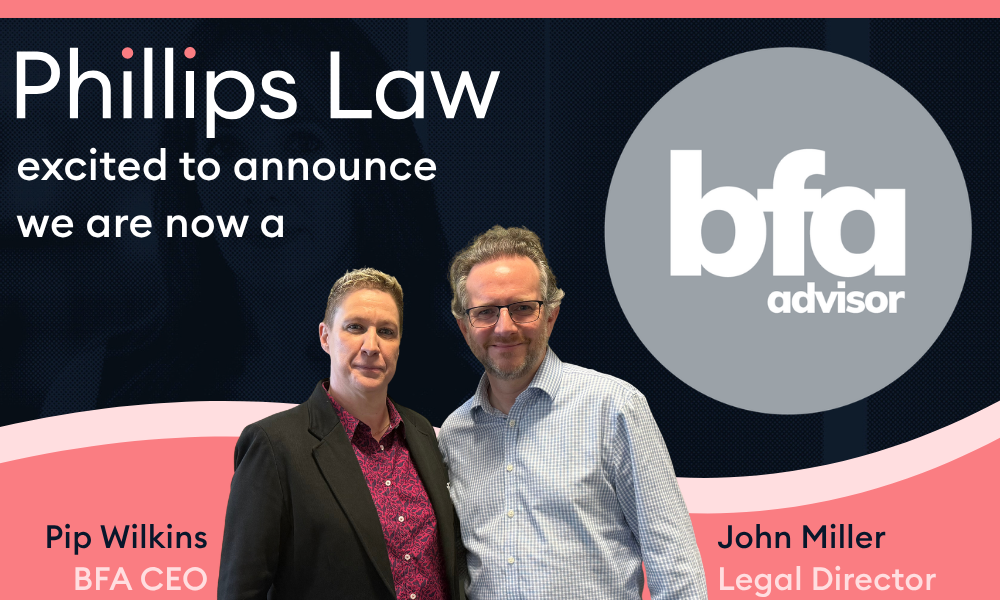
Phillips Law is pleased to announce that the firm has become an advisor member of the British Franchise Association (BFA), the UK’s largest and most influential trade association for fr ...
More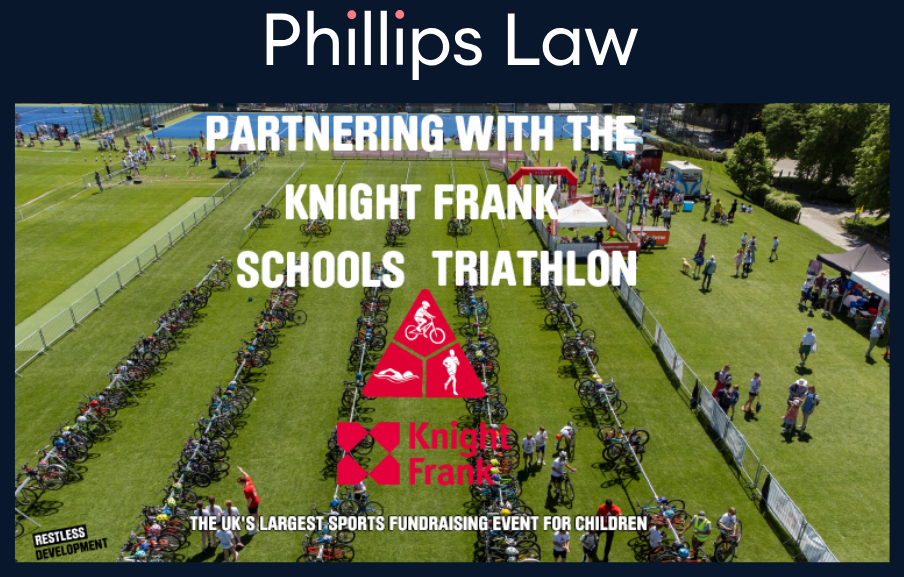
We are delighted to announce that Phillips Law is the regional sponsor of the Knight Frank Schools Triathlon, supporting both the Charterhouse and Marlborough events. The Schools Triath ...
More
What farming families and business owners need to know If you own a farm, land, or a family business, you will have undoubtedly heard that inheritance tax (IHT) rules are changing. Whil ...
More
We are about to see a great wave of Employment Law changes following the Employment Rights Act 2025 becoming law in December. We will use these updates to keep you abreast of the change ...
More